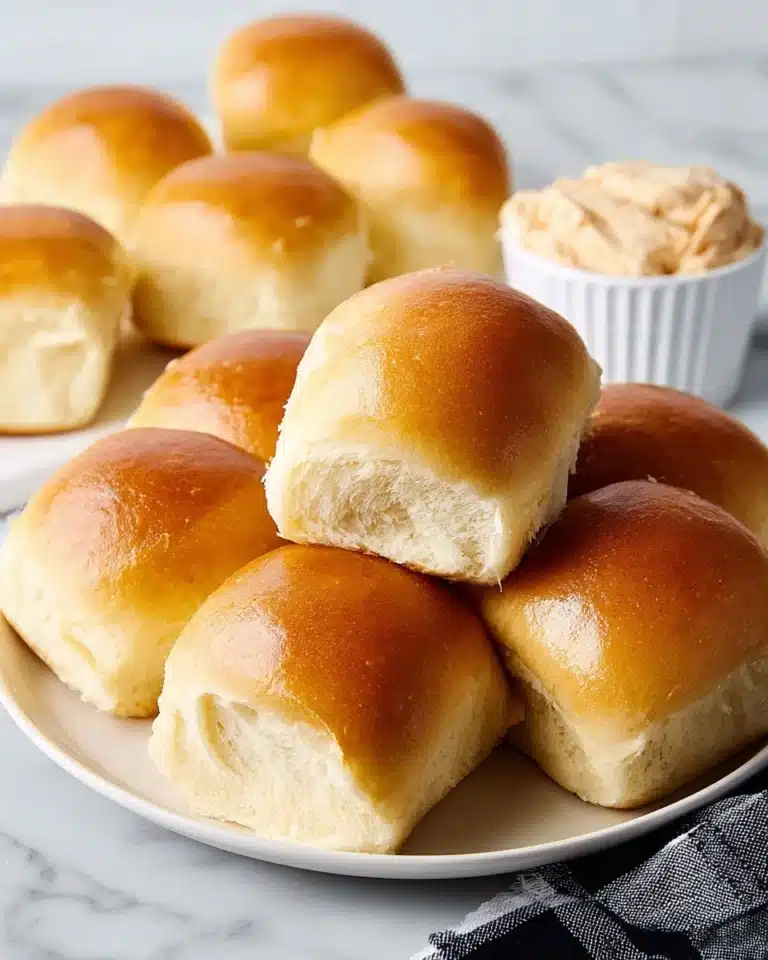
I’m thrilled to share with you my favorite Gluten Free Egg Noodles Recipe that’s become a staple in my kitchen. These noodles are delightfully tender with just the right bite, and they cook up beautifully whether I add them to a rich stew or a comforting broth. Making them from scratch is easier than you might think, and they bring a homemade touch to any meal, especially when you need a gluten free option that doesn’t sacrifice any flavor or texture.
Why You’ll Love This Gluten Free Egg Noodles Recipe
What really sets this recipe apart for me is the incredible texture and taste the noodles have despite being gluten free. The eggs give the dough a richness that makes the noodles feel silky and indulgent, while the gluten free flour ensures they’re friendly for those with dietary restrictions. I love how these noodles aren’t gummy or crumbly like some store-bought options can be. They hold up wonderfully in soups and sauces, soaking up flavors but still maintaining their sturdy bite.
Another thing I appreciate is how straightforward this Gluten Free Egg Noodles Recipe is. It doesn’t require any fancy ingredients or equipment—just a few pantry staples and a rolling pin. I usually prepare these noodles when I want something comforting yet fresh, and they’re perfect for family dinners or special occasions where you want to impress without a lot of fuss. I’m always so proud to serve these homemade noodles because they taste like you spent hours perfecting your craft, even if it only takes about 20 minutes.
Ingredients You’ll Need

To make these noodles, you only need a handful of simple, wholesome ingredients that each play an essential role in creating the perfect noodle: tender, flavorful, and easy to cook.
- 3 large eggs: Provide richness and structure to the dough for a tender texture.
- 1 large egg yolk: Adds extra silkiness and depth to the noodles.
- 1 teaspoon salt: Enhances the flavor of the dough.
- 1 to 2 Tablespoons water: Helps bind the dough; adjust as needed for consistency.
- 2 cups gluten free flour: Creates the base of the dough; plus extra for dusting to prevent sticking.
Directions
Step 1: Start by heavily flouring your clean, flat work surface with gluten free flour. This will keep the dough from sticking as you work with it.
Step 2: In a small mixing bowl, whisk together the 3 large eggs, 1 large egg yolk, salt, and 1 tablespoon of water until fully combined and slightly frothy.
Step 3: In a larger bowl, add 2 cups of gluten free flour and create a well in the center using the back of a spoon. Pour the egg mixture into the well, then use a fork to gradually whisk and incorporate the flour around the edges into the eggs.
Step 4: When the dough starts to come together, switch from fork to your hands to press and knead it in the bowl. It’s normal for the dough to feel a bit crumbly at this point.
Step 5: Pour the dough onto your floured workspace and continue kneading with your hands. You want to press it into a smooth ball. If it’s too crumbly and won’t hold together, gently add an additional tablespoon of water as needed.
Step 6: Divide the dough ball into halves or quarters if your surface is smaller. Cover half with a damp paper towel to prevent drying out while you work with the other piece.
Step 7: Press the dough out slightly with your fingertips, then use a rolling pin to roll it thin. Dust with extra gluten free flour and rotate the dough frequently to prevent sticking and ensure an even thickness.
Step 8: Once rolled out, use a sharp knife or pizza cutter to slice the dough into noodles. I prefer about 2-1/2 by 1/2 inch strips for stews or 3 by 1/4 inch strips when adding to soups—the size does affect cooking time.
Step 9: Carefully lift the cut noodles off your work surface with a bench scraper or spatula, gently toss them with a little more gluten free flour to keep them from sticking, and place them in an airtight container.
Step 10: Repeat the rolling and slicing process with the remaining dough pieces until all noodles are shaped and stored.
Step 11: To cook the noodles, sprinkle them into boiling broth or water, then reduce heat and simmer gently for 8 to 12 minutes, depending on thickness. Stir occasionally to keep them separated and cook until tender but still al dente.
Servings and Timing
This Gluten Free Egg Noodles Recipe yields about 3 generous servings, perfect for a cozy meal. Prep time is around 10 minutes, primarily for mixing and kneading, while rolling and slicing take about another 5 minutes. Cooking the noodles will take between 8 to 12 minutes, depending on how thickly they’re rolled. Altogether, you’re looking at roughly 20 to 25 minutes from start to finish, with no resting time needed, making it a wonderfully quick homemade noodle option.
How to Serve This Gluten Free Egg Noodles Recipe

I love serving these noodles warm and freshly cooked, tossed into a hearty chicken stew or swirling them in a flavorful beef broth for a soul-warming meal. They’re perfect as a gluten free alternative in classic dishes like chicken noodle soup or stroganoff, where the noodles soak up the rich sauces and enhance every bite.
For a fun presentation, I sometimes garnish the noodles with freshly chopped parsley or basil to add a pop of color and fresh aroma. A light drizzle of melted butter or a sprinkle of freshly cracked black pepper works wonderfully just before serving to elevate the simple, comforting flavors.
When it comes to drinks, a crisp white wine like a Sauvignon Blanc or a lightly chilled sparkling water with lemon pairs beautifully, refreshing the palate against the richness of the noodles and broth. These noodles also shine at family gatherings or casual weeknight dinners where homemade comfort food is the star. Serve them hot for the best texture and heartiness, but they’re equally delicious at room temperature if you like a cold pasta salad twist.
Variations
Over time, I’ve found a few fun ways to switch up this Gluten Free Egg Noodles Recipe depending on what’s on hand or the mood I’m in. For instance, you can swap the gluten free flour blend for one with different rice or tapioca ratios to tweak the chewiness of the noodles. Just keep in mind, you might need to adjust the water slightly to get just the right dough consistency.
If you’re vegan or avoiding eggs, I’ve experimented with a flax egg substitute combined with a bit of oil for moisture, though the texture is naturally different and a bit less rich. Adding herbs right into the dough, such as dried thyme or rosemary, also provides a subtle, fragrant boost that pairs beautifully with rustic stews or creamy sauces.
Another variation I enjoy is rolling the noodles out a bit thicker and cutting them wider for a more substantial pasta feel, which is fantastic when baking them in casseroles or layering in bakes. Alternatively, pan-frying boiled noodles in butter with garlic creates a crispy, golden exterior that’s utterly addictive.
Storage and Reheating
Storing Leftovers
If you have leftover cooked gluten free egg noodles, I recommend placing them in an airtight container and refrigerating promptly. They keep well for up to 3 days, making them perfect to prepare in advance for quick meals. Be sure to toss a little oil or butter with the noodles before storing to help prevent sticking.
Freezing
You can absolutely freeze the uncooked noodles. Lay them flat or loosely layered in a Ziplock freezer bag, press out excess air, and seal tightly. This method keeps them good for up to 3 months. When you’re ready to use, just cook the noodles straight from frozen—there’s no need to thaw, which is a big time saver!
Reheating
To reheat cooked noodles, I gently warm them in a skillet with a bit of butter or toss them into simmering broth for a few minutes until heated through. Avoid microwaving without moisture as they can dry out and become tough. Reheating slowly helps maintain their tender texture and brings back that fresh homemade taste.
FAQs
Can I use any gluten free flour for the noodles?
While you can use various gluten free flour blends, I suggest using one that contains a mix of starches and protein sources like rice flour and tapioca starch to achieve the best texture. Pure starch-based flours tend to make the dough too fragile. Adjust the water slightly if needed to get a soft but not sticky dough.
How thin should I roll the dough?
I aim to roll the dough very thin—about 1/8 inch—so the noodles cook evenly and have a delicate bite. Thicker noodles take longer to cook and can feel doughy, while too thin can tear easily. With practice, you’ll find the perfect thinness for your preferred texture.
Can I make these noodles ahead of time?
Yes! You can slice the noodles and store them uncooked in an airtight container for up to a day before cooking. Just keep them well floured to prevent sticking and refrigerate. If freezing, flash freeze on a tray first before bagging to keep them from clumping together.
What’s the best way to avoid noodles sticking during cooking?
Adding a little oil to the cooking water or broth can help prevent sticking, but most importantly, stir the noodles occasionally while simmering. Ensuring they aren’t overcrowded also gives each noodle enough space to cook properly without clumping.
Are these noodles suitable for soup or pasta dishes?
Definitely! The versatility of this Gluten Free Egg Noodles Recipe means they work beautifully in both soups and pasta dishes. Their tender texture holds up in broth while also handling thicker sauces and stews, making them a real go-to for many meals.
Conclusion
I wholeheartedly encourage you to try this Gluten Free Egg Noodles Recipe because it has truly changed the way I enjoy homemade pasta without gluten. It’s simple to make, surprisingly versatile, and delivers that nostalgic comfort of fresh noodles in a naturally gluten free form. Give it a go and watch it become one of your go-to recipes for cozy, homemade meals that everyone will love.
Print
Gluten Free Egg Noodles Recipe
This recipe for Gluten Free Egg Noodles offers a homemade alternative to traditional noodles, using simple ingredients and no wheat flour. These delicate noodles are tender and perfect for soups, stews, or any dish requiring gluten free pasta. The dough is quickly prepared and rolled thin, then cut into your preferred noodle sizes before cooking or storing.
- Total Time: 22 minutes
- Yield: 3 servings
Ingredients
Egg Mixture
- 3 large eggs
- 1 large egg yolk
- 1 teaspoon salt
- 1 – 2 tablespoons water
Dry Ingredients
- 2 cups gluten free flour (plus more for rolling and dusting)
Instructions
- Prepare the work surface: Heavily flour a clean, flat work surface with gluten free flour to prevent the dough from sticking during kneading and rolling.
- Whisk egg mixture: In a small mixing bowl, add the eggs, extra egg yolk, salt, and 1 tablespoon of water. Whisk together thoroughly until combined.
- Combine flour and egg mixture: Place 2 cups gluten free flour in a large mixing bowl. Use the back of a spoon to make a well in the center. Pour the egg mixture into the well and, using a fork, gradually whisk the flour into the eggs from the edges until mostly combined.
- Knead the dough: Once the flour is moistened, use your hands to press and knead the dough in the bowl until it mostly comes together, even if crumbly. Transfer the dough to the floured surface and continue kneading until smooth. Discard any dry crumbs. If the dough is too crumbly, gradually add more water, one tablespoon at a time, until it forms a cohesive ball.
- Roll the dough: Cut the dough ball in half (or quarters if needed). Cover the unused portion with a damp paper towel to prevent drying. Flour the work surface as needed and press dough slightly with fingertips. Use a rolling pin to roll out the dough very thinly, adding more flour to prevent sticking and turning the dough ¼ turn periodically.
- Slice the noodles: Using a sharp knife or pizza cutter, slice the rolled dough into desired noodle sizes. Typical cuts are 2½ x ½ inch strips for thick stews or 3 x ¼ inch strips for soups.
- Store the noodles: Use a bench scraper or spatula to lift the noodles off the surface and gently toss with extra gluten free flour to prevent sticking. Place in an airtight container and repeat with remaining dough.
- Cook the noodles: Add noodles to boiling broth or salted water. Reduce heat to a simmer and cook for 8-12 minutes, depending on noodle thickness and cut size, stirring occasionally until al dente.
- Refrigerate cooked noodles: Transfer cooked noodles to an airtight container and refrigerate for up to 3 days.
- Freeze noodles: For uncooked noodles, arrange them in a flat layer in a Ziplock freezer bag, remove the air, seal, and freeze for up to 3 months. Noodles can be cooked directly from frozen without thawing.
Notes
- Adjust water gradually to achieve a dough that is pliable but not sticky.
- Use gluten free flour suitable for pasta making, preferably a blend including rice and tapioca flours.
- Rolling dough very thin helps achieve tender noodles.
- Keep unused dough covered to prevent drying out.
- Cook noodles in boiling broth for added flavor in soups.
- Store uncooked noodles with flour to avoid clumping.
- Freezing noodles flat helps prevent sticking and clumping.
- Prep Time: 10 minutes
- Cook Time: 12 minutes
- Category: Pasta
- Method: Stovetop
- Cuisine: Gluten Free
- Diet: Gluten Free