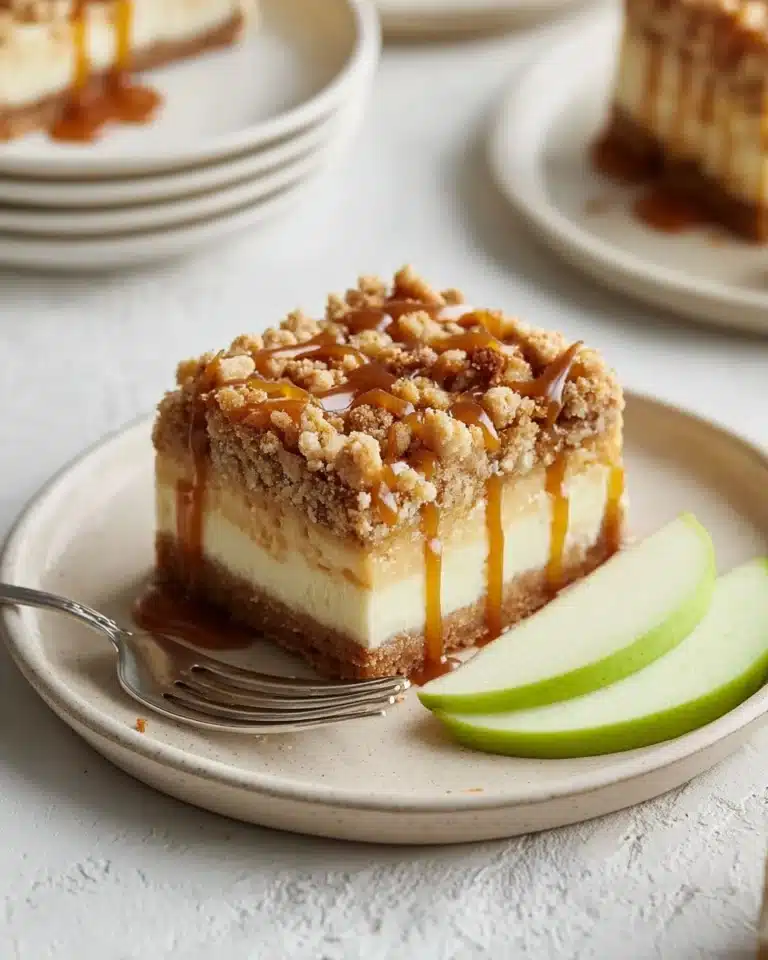
I have always believed that the foundation of any incredible pie is an impeccable crust, and that is exactly why I cherish this Homemade Pie Crust Recipe so much. It captures the perfect balance of flakiness and buttery flavor that makes every slice feel like a little celebration. Whether you’re a beginner or a seasoned baker, this recipe is straightforward enough to become a staple in your kitchen and will elevate any sweet or savory pie you dream up.
Why You’ll Love This Homemade Pie Crust Recipe
What truly makes this Homemade Pie Crust Recipe stand out to me is its delightfully buttery taste combined with a light, flaky texture that is just irresistible. The secret lies in keeping the butter cold and using just enough water so the dough comes together without melting the butter entirely, which results in those perfect flaky layers that simply melt in your mouth. Every time I pull a pie out of the oven with this crust, I get excited all over again because it’s so reliably delicious.
I also love how approachable this recipe is. I have found it to be surprisingly easy, with ingredients I almost always have on hand. It’s perfect for weeknight dinners or last-minute desserts during holiday gatherings. What makes it even more special is how adaptable it is—you can tweak the sugar to suit sweet pies or omit it altogether for savory dishes without compromising the crust’s wonderful flavor and texture. This recipe feels like a little baking secret worth sharing with every friend and family member.
Ingredients You’ll Need

Simple yet essential, these ingredients work in harmony to create a beautifully tender and flaky pie crust. Each element plays a key role, from the flour providing structure to the butter lending richness and flakiness, and just enough ice-cold water tying it all together perfectly.
- All-purpose flour (2 and 1/2 cups): The backbone of the dough that gives it structure and stability.
- Sugar (1 tbsp, optional): Adds a subtle hint of sweetness, especially great for dessert pies.
- Salt (1/2 tsp): Enhances all the flavors and balances the sweetness.
- Cold unsalted butter (2 sticks): Creates those glorious flaky layers and imparts rich butter flavor.
- Ice-cold water (4 to 8 tbsp): Helps bind the dough just enough without melting the butter, keeping the texture flaky.
Directions
Step 1: In a food processor, combine the flour, salt, and sugar if you’re using it, and pulse once to mix everything evenly. Dice your cold butter and add it in, pulsing 1-2 times until you see pea-sized crumbs coated in flour. This step is key to building those flaky, buttery pockets.
Step 2: Quickly transfer the crumbly flour and butter mixture to a large bowl. Sprinkle in the ice-cold water, starting with 1 tablespoon at a time, gently mixing with your hands or a spatula until the dough just comes together. You’ll want to see bits of butter still sticking around in the dough, as that’s what gives you that perfect flaky texture. Avoid overworking the dough, or it might become tough.
Step 3: Divide the dough into two equal portions and gently form each into a flat disc about 1-inch thick. Wrap them tightly in plastic wrap before chilling in the refrigerator for at least 2 hours or up to 2 days. This chilling step relaxes the gluten and firm ups the butter for easier rolling.
Step 4: When you’re ready to bake, sprinkle flour onto your work surface to prevent sticking. Roll out one chilled dough disc from the center outward, turning it frequently to maintain an even 12-inch circle that will fit a 9-inch pie pan. If the dough starts sticking, sprinkle with a bit more flour. Place the rolled dough into your pie dish and poke the bottom a few times with a fork.
Step 5: If your pie calls for pre-baking, line the crust with parchment paper and fill it with pie weights or dry beans. Bake at 350°F (180°C) for 10-15 minutes until the edges start to turn golden. For fully baked crusts needed for no-bake fillings, bake 15-20 minutes until golden all over. If the filling will be baked with the crust, just fill and bake together as directed in your pie recipe.
Servings and Timing
This Homemade Pie Crust Recipe makes enough dough for two 9-inch pie crusts, perfect for a single double-crust pie or two single-crust pies. The prep takes about 20 minutes, but remember the essential 2-hour chilling time in the refrigerator for the best results. Baking times vary depending on the pie you’re making, but blind-baking typically requires 10-15 minutes, and a fully baked crust takes around 15-20 minutes.
How to Serve This Homemade Pie Crust Recipe

Serving a pie with this flaky crust instantly elevates any meal, whether it’s a casual family dinner or a holiday feast. I love pairing sweet fruit pies with a scoop of vanilla ice cream or a drizzle of caramel sauce to complement the buttery crust. For savory pies, a crisp green salad or roasted vegetables make a perfect side to balance richness.
When it comes to presentation, I find that brushing the crust edges with a little milk or egg wash before baking gives a lovely golden sheen that makes your pie look irresistible. Garnishing with fresh herbs or powdered sugar can add that extra touch depending on whether your pie is sweet or savory. Serving pies warm straight from the oven always wins over guests, but room temperature works beautifully if you’re preparing ahead.
For drinks, a chilled glass of white wine like a Sauvignon Blanc pairs brilliantly with savory pies, while fruity cocktails or a cup of herbal tea feels cozy alongside warm fruit pies. This homemade crust is a versatile stage for almost any filling and any occasion you can imagine, from festive parties to quiet weekend treats.
Variations
I like to personalize this Homemade Pie Crust Recipe based on the pie I’m making and my mood. For a gluten-free version, swapping the all-purpose flour for a gluten-free blend works well, though I usually add a little xanthan gum to help with texture. For a vegan twist, I substitute the butter for chilled coconut oil or a plant-based margarine, which still delivers lovely flakiness.
Another fun variation is to infuse the dough with flavors by adding finely grated citrus zest or a pinch of your favorite spice, like cinnamon for sweet pies or smoked paprika for savory pies. You can even experiment with different fats like lard or shortening to see how the texture and flavor change, but I always come back to butter for that classic richness.
Lastly, instead of rolling the dough, try pressing it directly into the pie pan with your fingers for a more rustic look and a bit less fuss. Baking times might vary slightly with this method, so keep an eye on that golden crust color. I encourage you to make the recipe your own!
Storage and Reheating
Storing Leftovers
If you have leftover pie crust dough or a baked pie crust, I recommend storing dough discs tightly wrapped in plastic wrap in the refrigerator for up to 2 days to keep the butter firm and dough fresh. A baked crust, once cooled completely, stores best in an airtight container at room temperature for 1-2 days to maintain its crisp texture. Avoid refrigerating a baked crust uncovered, as it can absorb moisture and turn soggy.
Freezing
This Homemade Pie Crust Recipe freezes beautifully, which is a lifesaver when you want pie on short notice. Wrap each dough disc tightly in plastic wrap and then in aluminum foil or a freezer bag. It keeps well for up to 3 months. When you’re ready to use it, thaw the dough overnight in the refrigerator before rolling it out. You can also freeze baked crusts, wrapped carefully, for up to one month, then reheat gently to refresh the crispness.
Reheating
To reheat a baked pie crust or pie with this crust, I recommend using an oven rather than a microwave to preserve flakiness. Preheat your oven to 300°F (150°C) and warm for about 10-15 minutes or until the crust regains its crisp texture. Avoid microwaves as they tend to make the crust chewy or soggy. For unbaked dough, always bring it back to the fridge first if thawed, then bake fresh for the best results.
FAQs
Can I make this Homemade Pie Crust Recipe without a food processor?
Absolutely! While a food processor speeds up combining the flour and butter, you can cut the butter in by hand using two knives or a pastry cutter until the mixture resembles coarse crumbs. It takes a little more elbow grease but works just as well.
How do I prevent my pie crust from shrinking during baking?
The key is chilling the dough well before baking and not stretching the dough when fitting it into your pie pan. Also, blind bake with pie weights to help the crust hold its shape and remove the weights carefully before continuing your bake.
Why is my pie crust tough instead of flaky?
Overworking the dough warms the butter and develops gluten in the flour, resulting in a tougher crust. Be gentle when mixing and rolling, and always keep the butter cold to encourage flakiness.
Can I add herbs or spices to this pie crust?
Yes! Adding finely chopped fresh herbs, spices, or zest can add delightful flavor twists, especially for savory pies. Just fold them in with the dry ingredients before adding the butter for an even distribution.
How long can I keep pie dough in the fridge before baking?
You can store this pie dough tightly wrapped in the refrigerator for up to 2 days. Beyond that, it may start to lose its texture, so freezing is a better option for longer storage.
Conclusion
I truly hope you’ll give this Homemade Pie Crust Recipe a try because it’s a joyful baking experience that pays off with irresistible results every single time. There’s something so rewarding about pulling a pie out of your own oven with a crust that’s flaky, buttery, and full of love. Once you make it, I think you’ll understand why this simple recipe has become one of my all-time favorites in the kitchen.
Print
Homemade Pie Crust Recipe
This homemade pie crust recipe creates a flaky, buttery base perfect for both sweet and savory pies. Using cold butter and ice-cold water ensures optimal flakiness, while chilling the dough before rolling helps maintain its texture. The crust can be pre-baked or fully baked depending on the pie filling, making it versatile for a variety of pie recipes.
- Total Time: 2 hours 35 minutes (including chilling)
- Yield: 2 9-inch pie crusts
Ingredients
Dry Ingredients
- 2 and 1/2 cups (325 g) all-purpose flour
- 1 tbsp sugar (optional, for sweet pies)
- 1/2 tsp salt
Wet Ingredients
- 2 sticks (230 g) cold unsalted butter, diced
- 4 to 8 tbsp (60 to 120 ml) ice-cold water
Instructions
- Cut the butter into the flour: In a food processor, combine the flour, salt, and sugar (if using) by pulsing once. Add the diced cold butter and pulse 1-2 times until the mixture resembles pea-sized crumbs coated in flour.
- Make the pie dough: Transfer the flour and butter mixture to a bowl, then gradually add ice-cold water one tablespoon at a time, mixing gently until a dough forms. The butter should remain visible in chunks to ensure flakiness. Avoid overworking to prevent the butter from warming. If dough is sticky, dust with flour; if too dry, wet your hands and knead gently.
- Chill the dough: Shape the dough into two discs about 1 inch thick, wrap them tightly in plastic wrap, and refrigerate for at least 2 hours or up to 2 days to firm up.
- Roll out the discs: On a floured surface, unwrap one disc and roll it starting from the center outward to form a 12-inch circle, turning and flipping as needed to prevent sticking. Fit the rolled dough into a 9-inch pie dish and dock the bottom with a fork. Repeat with the second disc when ready to top your pie.
- Bake if necessary: Depending on your pie recipe, you can blind bake, fully bake, or not bake at all. For blind baking, line crust with parchment and pie weights or rice, then bake at 350°F (180°C) for 10-15 minutes until edges brown slightly. To fully bake, bake 15-20 minutes. If baking isn’t required, add your filling and proceed.
Notes
- Use ice-cold butter and water to ensure flaky layers in the crust.
- Do not overwork the dough to avoid melting the butter and toughening the crust.
- Chilling the dough is essential for rolling and maintaining texture.
- Blind baking is recommended for pies with wet fillings to prevent sogginess.
- Sprinkle flour generously on surfaces to prevent sticking while rolling out dough.
- Prep Time: 20 minutes
- Cook Time: 15 minutes (optional baking time varies based on use)
- Category: Baking
- Method: Baking
- Cuisine: American