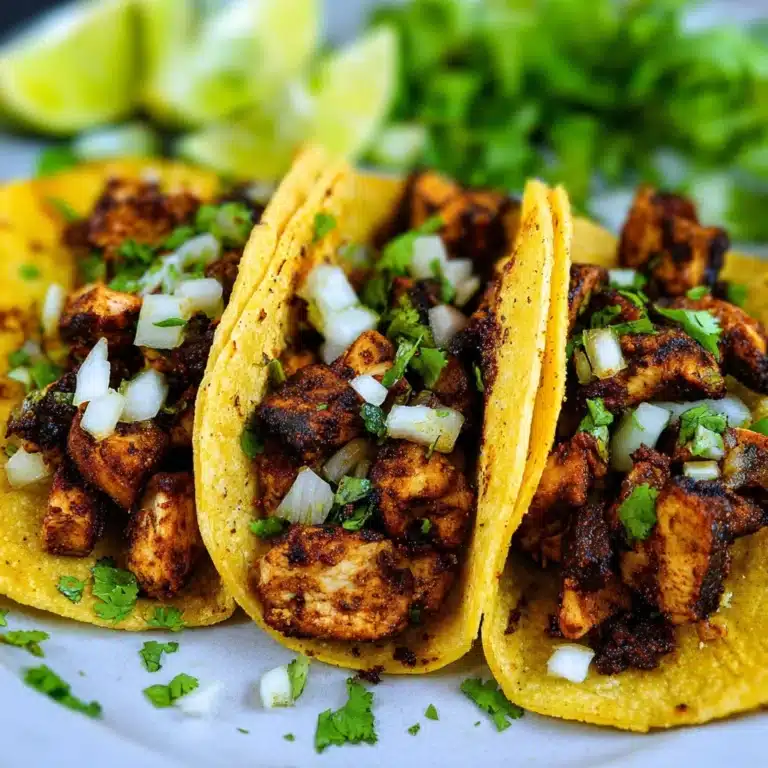
I absolutely adore sharing this Pad See Ew Recipe with friends and family because it perfectly captures the essence of authentic Thai street food right in your own kitchen. For me, this dish brings together chewy, wide rice noodles coated in a rich, savory sauce with tender chicken and crisp gai lan, delivering a comforting and flavorful experience every time. It’s not only a feast for the taste buds but also a joyful cooking adventure that I find myself coming back to whenever I crave something both satisfying and straightforward.
Why You’ll Love This Pad See Ew Recipe
What excites me most about this Pad See Ew Recipe is its beautifully balanced flavor profile—there’s a harmony between salty, sweet, and umami that makes every bite memorable. The depth from dark soy sauce and oyster sauce combines with the brightness of fresh garlic and the subtle bitterness of gai lan, which contrasts deliciously with the tender chicken. It’s a dish that feels indulgent yet approachable, filled with textures that keep things interesting from start to finish.
On top of that, I genuinely appreciate how easy it is to whip this dish up. It doesn’t require exotic ingredients or elaborate preparations, and the steps flow naturally whether you’re a kitchen newbie or a seasoned cook. Plus, Pad See Ew is perfect for so many occasions, from a quick weeknight dinner to a laid-back weekend lunch, or even impressing guests at a casual gathering. It’s that wonderful combination of simplicity and bold flavors that makes this recipe truly stand out in my collection.
Ingredients You’ll Need

The magic of this Pad See Ew Recipe lies in the simplicity and quality of its ingredients. Each one plays a crucial role in creating the final taste, texture, and color that make the dish so special.
- Dark soy sauce: Adds a deep, almost molasses-like flavor and gives the noodles their signature dark color.
- Fish sauce: Brings an irresistible salty umami kick that is essential to authentic Thai cooking.
- Oyster sauce: Offers a subtle sweetness and richness that balances the savory flavors perfectly.
- Sugar: Enhances the sauce with just the right amount of sweetness to round out the taste.
- Chicken breast: Thinly sliced for quick cooking and tender, juicy bites throughout the dish.
- Soy sauce: Used to marinate the chicken for an extra layer of savory flavor.
- Fresh wide rice noodles (ho fun): The chewy texture is crucial, and fresh noodles prevent clumping and enhance mouthfeel.
- Canola oil: Neutral oil that helps cook the ingredients without overpowering any flavors.
- Garlic: Minced for that aromatic punch that awakens the palate.
- Egg: Adds a soft, silky texture and a rich undertone when scrambled into the dish.
- Gai lan (Chinese broccoli): Provides a pleasant crunch and slight bitterness that balances the sauce.
- Freshly ground pepper: The finishing touch to brighten the entire dish just before serving.
Directions
Step 1: Prepare the seasoning sauce by combining the dark soy sauce, fish sauce, oyster sauce, and sugar in a small bowl. Stir until the sugar dissolves and set the sauce aside for easy access during cooking.
Step 2: Marinate the thinly sliced chicken breast in 1 tablespoon of soy sauce. Let it sit for at least 10 minutes; this step helps infuse the chicken with flavor and tenderizes it slightly.
Step 3: Rinse the fresh wide rice noodles under cold water to separate the strands and avoid clumping later. Then drain them thoroughly and set aside, ready for the stir-fry.
Step 4: Heat 2 tablespoons of canola oil in a nonstick wok or a large skillet over medium-high heat. Add the marinated chicken and stir-fry for about 3 minutes until fully cooked through and slightly browned. Remove the chicken from the pan and transfer it to a bowl to rest while you prepare the next steps.
Step 5: Using the same wok, drizzle in the remaining 2 tablespoons of oil and bring to medium-high heat. Add the minced garlic and sauté until it becomes very fragrant, which usually takes about 30 seconds.
Step 6: Pour in the beaten egg and let it sit undisturbed for a few seconds to set slightly. Then scramble the egg gently, mixing it with the garlic.
Step 7: Toss in the chopped gai lan or broccoli rabe stalks and leaves. Stir-fry briefly until the greens are just wilted but still vibrant and crisp, about 1 minute.
Step 8: Add the prepared noodles to the wok along with the seasoning sauce. Stir everything quickly to coat the noodles evenly with the sauce. Then, resist the temptation to stir constantly—let the noodles sit for about 30 seconds to develop a slight char on the bottom, which lends that signature smoky flavor.
Step 9: Flip or toss the noodles carefully to allow the other side to char for another 30 seconds. Return the cooked chicken to the pan and give the entire mixture one last quick stir to combine the flavors evenly.
Step 10: Transfer the Pad See Ew to a serving plate. Sprinkle freshly ground pepper over the top to taste and serve immediately while piping hot for the best experience.
Servings and Timing
This Pad See Ew Recipe generously serves 4 people, making it ideal for family dinners or small gatherings. The preparation time is about 15 minutes, mainly for marinating and prepping the ingredients, while the cooking itself takes roughly 15 minutes, resulting in a total of around 30 to 35 minutes from start to finish. Since the dish is best served hot and fresh, there’s no resting or cooling time required.
How to Serve This Pad See Ew Recipe

When I serve this Pad See Ew, I like to complement it with simple sides like steamed jasmine rice or a light cucumber salad to contrast the rich, savory noodles. Fresh herbs such as cilantro or Thai basil on the side can add a burst of freshness, while a wedge of lime provides a citrusy lift that brightens the whole meal. I also love garnishing with some crispy fried shallots or chopped peanuts for added texture and indulgence.
This dish shines best when plated hot and fresh, right out of the wok. I usually portion it generously, arranging the noodles neatly on a large plate with the chicken and veggies mingled throughout. For drinks, a crisp cold beer or a lightly sweetened iced tea perfectly balances the flavors, but a dry Riesling or a citrus-forward cocktail can also elevate a more festive occasion.
Whether it’s a casual weeknight dinner or a weekend get-together with friends, serving this Pad See Ew Recipe warm creates a comforting, communal vibe. I recommend plating portions for individual servings or sharing family-style to encourage everyone to dive in and savor the playful contrasts of flavor and texture.
Variations
I love experimenting with this Pad See Ew Recipe to keep it fresh and suited to different tastes or dietary needs. For example, swapping chicken for thinly sliced beef or tofu changes the texture and flavor beautifully, making it just as satisfying for meat lovers or vegetarians.
If you need a gluten-free version, I suggest using tamari instead of soy sauce and checking that your oyster sauce is gluten-free or substituting it with a mushroom-based sauce. For a vegan twist, simply omit the egg and chicken, and replace fish sauce with a vegan fish sauce alternative or extra soy or tamari to maintain delicious umami depth.
Finally, for a flavor variation, I occasionally add a touch of chili paste or sliced fresh chilies during stir-frying to introduce some heat and a little kick. Different cooking methods can also be fun to try — using a cast-iron skillet instead of a wok will still give you a great char and deepen the flavors if you don’t have a wok on hand.
Storage and Reheating
Storing Leftovers
Leftover Pad See Ew stores wonderfully in an airtight container in the refrigerator for up to 3 days. I find that using glass containers with secure lids helps preserve the flavors and prevents the noodles from drying out. When storing, it’s best to cool the dish completely to room temperature before sealing to avoid condensation that could make the noodles soggy.
Freezing
While you can freeze this dish, I personally recommend only freezing if absolutely necessary, as rice noodles tend to change texture after thawing. If you do freeze it, portion it into freezer-safe containers or heavy-duty freezer bags, removing as much air as possible. It’s best consumed within one month for optimum taste and texture. To defrost, transfer the frozen Pad See Ew to the fridge overnight before reheating gently.
Reheating
To reheat Pad See Ew, I prefer using a skillet or wok over medium heat, adding a splash of water or broth to loosen the noodles if needed. Stir frequently to warm evenly and revive the sauce without drying it out. Avoid microwaving if possible, as it tends to make the noodles gummy and less enjoyable. Reheating on the stovetop helps maintain that characteristic chewiness and keeps the flavors vibrant.
FAQs
Can I use dried rice noodles instead of fresh for this Pad See Ew Recipe?
You can use dried rice noodles, but I recommend soaking them thoroughly according to package instructions to achieve a soft, pliable texture similar to fresh noodles. Fresh noodles provide the best chew and absorb the sauce more evenly, which is why I usually prefer them for authentic Pad See Ew.
What can I substitute for gai lan if I can’t find it?
Broccoli rabe or regular broccoli florets work well as substitutes, offering a similar slight bitterness and crunch. You could also try kale or Swiss chard, though these may have a sturdier texture, so add them a bit earlier to cook through gently.
Is Pad See Ew spicy? How can I adjust the heat level?
Traditional Pad See Ew is not inherently spicy, making it accessible for all palates. If you like heat, you can easily add sliced fresh chilies, chili flakes, or a spoonful of chili paste while stir-frying. To reduce heat, simply omit chili ingredients and balance the dish with extra sweetness or acidity.
Can I make Pad See Ew ahead of time for a party?
While Pad See Ew is best served fresh to capture its deliciously charred flavors and chewy noodles, you can prep the components ahead by slicing the chicken, chopping veggies, and mixing the sauce. Then, stir-fry the dish close to serving time to maintain its freshness and texture.
What’s the best way to achieve the ‘wok hei’ or smoky flavor in this recipe?
The ‘wok hei’ or ‘breath of the wok’ flavor comes from charring the noodles slightly during cooking. To get this, let the noodles sit undisturbed in a very hot wok for 30 seconds per side after stirring in the sauce. Using high heat and a well-seasoned wok or cast-iron skillet really helps develop that smoky, caramelized flavor that defines great Pad See Ew.
Conclusion
I genuinely hope you give this Pad See Ew Recipe a try because it’s one of those dishes that brings warmth, bold flavors, and a little touch of Thailand right into your home kitchen. From the tender chicken to the glossy, savory noodles and crisp greens, every bite feels like a mini celebration of great cooking made simple. Trust me, once you make this, it will quickly become one of your favorite go-to meals for any occasion.
Print
Pad See Ew Recipe
A classic Thai stir-fried noodle dish featuring tender chicken, fresh rice noodles, and Chinese broccoli, all tossed in a savory blend of dark soy sauce, fish sauce, and oyster sauce to deliver rich, caramelized flavors.
- Total Time: 35 minutes
- Yield: 4 servings
Ingredients
Sauce
- 2 tablespoons dark soy sauce
- 1 tablespoon fish sauce
- 1 tablespoon oyster sauce
- 2 ½ tablespoons sugar
Protein
- 8 ounces chicken breast, halved lengthwise and thinly sliced (225 grams)
- 1 tablespoon soy sauce (for marinating chicken)
Noodles and Vegetables
- 10 ounces flat and wide fresh rice noodles (ho fun)
- 8 stalks gai lan (Chinese broccoli) or broccoli rabe, bottom stalks removed, leaves and thin stalks sliced about 2 inches long
Other
- 4 tablespoons canola oil, divided
- 3 cloves garlic, minced
- 1 egg, beaten
- Freshly ground pepper to taste
Instructions
- Prepare the seasoning sauce: In a small bowl, combine the dark soy sauce, fish sauce, oyster sauce, and sugar. Stir until the sugar dissolves and set the mixture aside.
- Marinate the chicken: Place the thinly sliced chicken breast in a bowl and toss it with 1 tablespoon of soy sauce. Let it marinate for at least 10 minutes to absorb the flavors.
- Prepare the noodles: Refresh the fresh rice noodles by rinsing them with cold water to separate the strands and prevent clumping. Drain well and set aside.
- Cook the chicken: Heat 2 tablespoons of canola oil in a nonstick wok or large skillet over medium-high heat. Add the marinated chicken slices and stir-fry for about 3 minutes until fully cooked and lightly browned. Remove the chicken from the pan and set aside in a bowl.
- Sauté aromatics and egg: Add the remaining 2 tablespoons of oil to the wok and heat over medium-high. Add minced garlic and cook until fragrant and aromatic. Pour in the beaten egg and allow it to set for a few seconds, then scramble it gently with the garlic.
- Add the greens: Add the chopped gai lan or broccoli rabe to the egg and garlic mixture. Stir and cook briefly until the greens begin to soften.
- Combine noodles and sauce: Add the prepared noodles to the wok, then pour in the seasoning sauce. Quickly toss and stir to ensure the noodles are evenly coated with the sauce.
- Caramelize the noodles: Let the noodles cook undisturbed for about 30 seconds to develop a slight char on the bottom. Then flip or toss to allow the top portion to char as well. Let them sit without stirring for another 30 seconds.
- Finish and serve: Return the cooked chicken to the wok, stir everything together for a final toss to combine all ingredients thoroughly. Transfer the Pad See Ew to a serving plate and sprinkle with freshly ground pepper to taste. Serve immediately.
Notes
- Using fresh rice noodles is key for an authentic texture; if only dried noodles are available, soak and cook according to package directions before stir-frying.
- Gai lan (Chinese broccoli) adds a traditional flavor, but broccoli rabe or regular broccoli can be used as alternatives.
- For a vegetarian version, substitute chicken with firm tofu and use vegetarian oyster sauce.
- Adjust sugar amount to your taste for sweetness balance.
- Keep heat medium-high to achieve the signature slight char on the noodles.
- Prep Time: 20 minutes
- Cook Time: 15 minutes
- Category: Lunch/Dinner
- Method: Frying
- Cuisine: Thai